4 hr
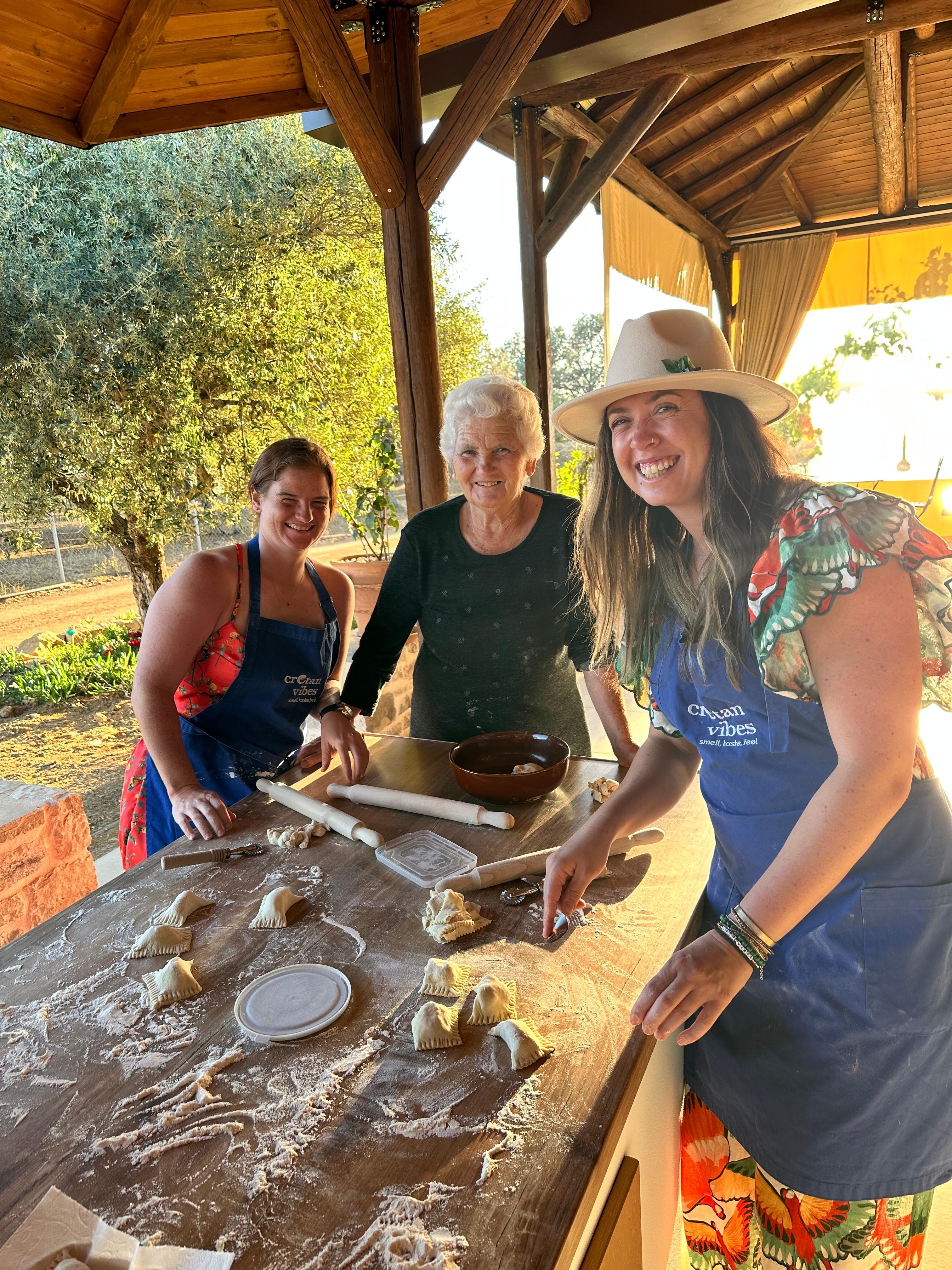
Cretan Cooking Class & Olive Oil Tasting at Family Farm
Learn traditional recipes with Mama Stella, taste award-quality oil, and dine on your three-course feast
Reserve
Hand-picked by our editors — the best 5 culinary experiences from 23 reviewed
Verified partners for every tour, free cancellation where available, and instant confirmation on every booking.
4 hr
Learn traditional recipes with Mama Stella, taste award-quality oil, and dine on your three-course feast
Reserve
2 hr
Discover Cretan olive traditions through grove walks, mill demonstrations, and curated oil tastings.
Reserve
8 hr
Explore Crete's renowned wine regions and taste exceptional local products on this immersive culinary journey
ReservePrices from verified partners. Availability updates in real time at checkout. Free cancellation policies apply where shown.
The landmarks, rooms, and views travelers on this tour remember — all visible on a single visit.
See trees that have been managed for generations at this farm. These groves represent the deep roots of Cretan agriculture.
Observe the machinery used to extract golden oil from olives. This facility demonstrates both modern and historic pressing methods.
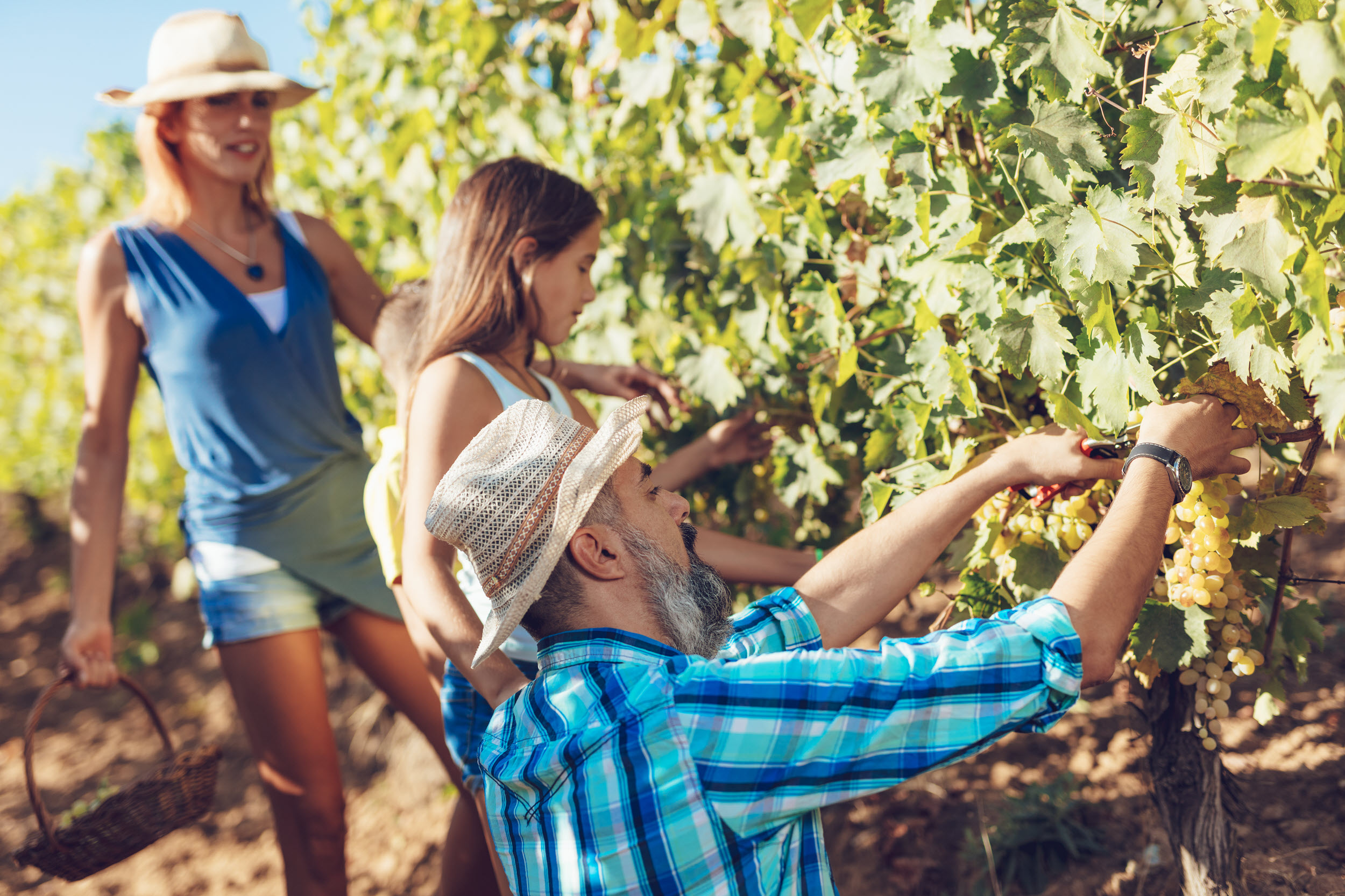
Walk through the rows of grapevines that contribute to regional Cretan wines. These vines are cultivated using sustainable, local techniques.
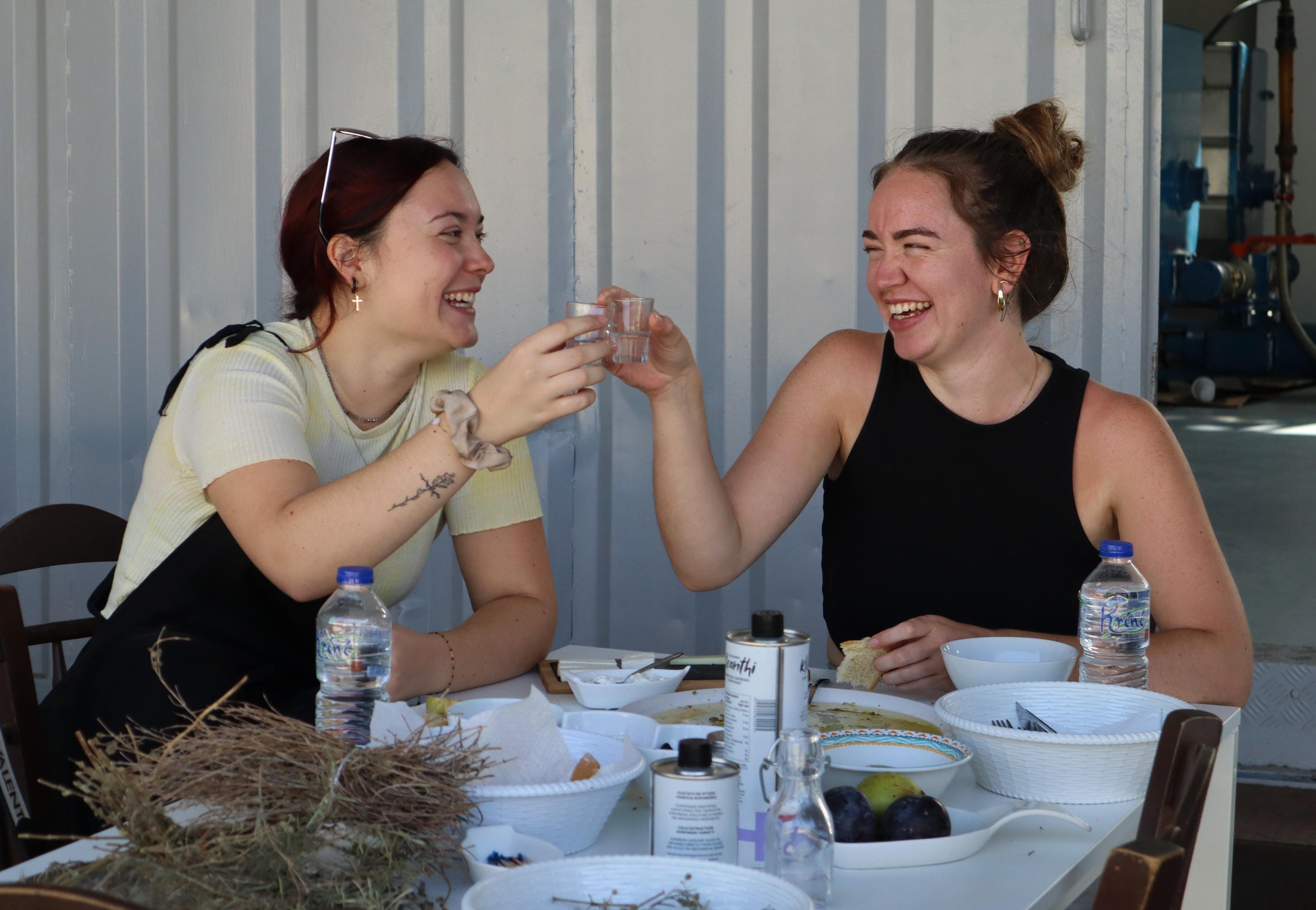
Sample local olive oils and wines under the shade of a traditional structure. This is where you finalize your wine and olive oil tasting in crete experience.
Discover local herbs and plants that grow alongside the vines. This area highlights the biodiversity found near Moires.
They serve different purposes; the Moires farm offers a deeply personal, hands-on connection to local agriculture, whereas commercial wineries provide a more polished, industrial-scale experience for your wine and olive oil tasting in crete tour.
| Feature | Top pick Moires Farm | Commercial Wineries |
|---|---|---|
Atmosphere |
Intimate family-run estate | High-volume industrial setting |
Group Size |
Private or very small groups | Large tour bus capacity |
Educational Depth |
Detailed artisan technique | Broad industry production overview |
Direct Producer Access |
Meet the actual farmer | Professional hospitality staff |
Travel Logistics |
Requires private transport | Accessible via organized coach tours |
| See tickets → |
Verdict: Choose the Moires farm for an authentic, educational session, or opt for commercial winery tours if you prefer standardized service for your wine and olive oil tasting in crete tickets.
Choose your ticket, select your date, and reserve in under two minutes. Secure checkout handled by our verified partner.
Instant confirmation by email, with a mobile voucher you can save offline. No printing, no queuing at a collection desk.
Arrive at the entrance, show your voucher on your phone, and walk in. Most tickets include priority or skip-the-line access.
Practical details for your visit straight from our verified partners — hours, access, rules, and how to get there.
Kapariana, Moires, 70400
Main entrance building
Follow regional signs toward Moires and Kapariana. Parking is available on-site.
KTEL bus from Heraklion to Moires then local taxi.
Casual and comfortable clothing is recommended. Please wear sensible footwear suitable for walking on farm soil and through olive groves during your wine and olive oil tasting in crete experience.
Small personal bags are permitted. Large luggage items cannot be stored on the premises, so plan accordingly before your visit to this local wine and olive oil tasting in crete destination.
Photography is encouraged throughout the farm and production areas. Capture the landscape during your wine and olive oil tasting in crete visit to document the traditional cultivation methods.
The farm paths are partially paved but may be uneven due to the nature of agricultural terrain. Please inform the operator of any mobility requirements when booking your wine and olive oil tasting in crete tickets.
Mobile phones are permitted for photos. Please set devices to silent during guided presentations to maintain a respectful atmosphere.
Families are welcome at the farm. Children must be supervised at all times around machinery and production equipment during a wine and olive oil tasting in crete tour.
Water and light refreshments are provided during booked sessions. Consumption of outside food is discouraged to preserve the integrity of the farm-to-table wine and olive oil tasting in crete environment.
Pets are not allowed on the farm grounds for hygiene and safety reasons.
The site is located in Kapariana, Moires. Always confirm your appointment for a private wine and olive oil tasting in crete visit before arrival.
Best time to go, insider tips, nearby landmarks, and the cancellation fine print — flip through to skim what matters to you.
How crowds, weather, and events shift across the year.
Moderate temperatures ideal for outdoor walks. Olive trees begin to blossom.
Peak season for farm activities. Hot weather makes early arrival essential.
Harvest season highlights the local agricultural calendar. Cooler evening temperatures.
Quieter period suitable for indoor production tours and oil pressing sessions.
Small details that turn a good visit into a great one.
Reserve your wine and olive oil tasting in crete tour at least 48 hours in advance. Weekend slots fill up quickly during the peak summer months.
Visit between 09:00 and 16:00 to avoid the highest temperatures. The farm provides shade in the tasting areas.
Engage with the producers about local soil types. They are eager to share knowledge during the wine and olive oil tasting in crete experience.
The farm environment is rustic. Wear flat, comfortable shoes to navigate the olive grove paths effectively.
While light refreshments are included, carrying your own water is recommended. Stay hydrated during the outdoor sections of the farm tour.
Non-bookable sights within a short walk — free to visit, easy to pair.
Ancient Minoan site with panoramic views of the Messara Plain. Essential for historical context near Moires.
Small archaeological site featuring royal villa ruins. Located near the archaeological park.
Famous historical caves overlooking the Libyan Sea. Popular coastal destination for visitors.
The agricultural heartland of Crete. Offers expansive views of vineyards and olive groves.
Flexible, no hidden fees.
Formal wine and olive oil tasting in crete tours require appointments to be booked in advance. Cancellations must be made at least 24 hours prior to the scheduled time for a full refund of any deposit paid.
Hand-picked options within walking distance — pick a district for vibe, or a specific hotel for convenience.
Convenient access to local services and town amenities.
Coastal stay offering sea views and relaxation after farm tours.
Broad selection of urban hotels and major transportation links.
The Messara Valley produces sixty percent of Crete's olive oil, yet fewer than twelve estates in the Moires district open their presses and cellars to visitors year-round. The region's limestone bedrock and winter rainfall pattern create a microclimate that has sustained viticulture since Minoan times — archaeologists working near Phaistos in 1989 unearthed a 3,400-year-old wine press with residue still clinging to the stone channels. Today's wine and olive oil tasting in Crete experiences draw directly on that continuity, with many farms operating on land their families have worked for six or seven generations. Kapariana, three kilometres west of Moires town centre, sits at 180 metres elevation where the foothills of Mount Ida meet the valley floor. The altitude is high enough to ensure cool nights during the October olive harvest, preserving the fruit's polyphenol content, but low enough that frost rarely threatens the crop. Local producers press within four hours of picking, a speed that keeps acidity below 0.3 percent and earns the Kolymvari PDO designation. The same soil supports Vidiano and Vilana vines, indigenous white varieties that account for seventy percent of plantings in the Heraklion regional unit. These grapes produce wines with saline minerality and citrus aromatics, a profile shaped by marine winds that reach the valley through the Tympaki gap. Cretan olive oil tasting protocols differ from those in Tuscany or Andalusia. Guides pour oil into cobalt-glass tumblers rather than shallow dishes, encouraging you to warm the glass between your palms and inhale before tasting. The region's Koroneiki cultivar yields oil with high oleocanthal levels, the compound responsible for the peppery catch at the back of the throat. On family-run estates, tastings often take place in the mill itself, where granite wheels and hydraulic presses occupy stone rooms unchanged since the 1920s. Raki distillation — the final agricultural rite of the Cretan calendar, conducted in November after the grape harvest — is sometimes demonstrated alongside the oil and wine sessions, completing a triangle of flavours that define the island's rural economy. The wine and olive oil tasting in Crete tours operating from Moires typically include walking access to the groves, where century-old trees with trunks two metres in girth still produce thirty kilograms of fruit each season. Tastings are structured as working farm visits rather than curated experiences, with hosts explaining irrigation schedules, pruning cycles, and the economics of small-scale production. Most estates maintain fewer than five hectares under vine and twenty hectares in olives, a scale that allows for hand-harvesting and single-variety pressings but leaves little margin for crop failure. Understanding that balance — between tradition and viability — is as much a part of the tasting as the flavours themselves.
"The Messara Valley produces sixty percent of Crete's olive oil, yet fewer than twelve estates in the Moires district open their presses and cellars to visitors year-round."
A step-by-step walkthrough of the visit — what you'll see, how long each stage takes, and the details that matter.
You arrive mid-morning at a working farm outside Kapariana, where the driveway runs between rows of Koroneiki olives planted in the 1940s. Your host meets you in the courtyard — often the family matriarch or a third-generation grower — and walks you first to the mill, a low stone building where the air smells of crushed fruit and damp stone. The press runs only during harvest, but the equipment is left visible: granite wheels mounted on a central axle, hydraulic rams with brass fittings, and rows of woven mats stacked against the wall. The tasting begins at a long wooden table set with small glass tumblers, each holding thirty millilitres of oil from a different pressing date or cultivar. You warm the glass, inhale, then taste, letting the oil coat your tongue before swallowing. The host explains what you're sensing — grass, almond, artichoke — and why this year's batch is sharper or mellower than the last. Next comes wine: three whites and a red, poured in ascending order of body. The Vidiano has a saline finish; the Vilana tastes of chamomile and pear. After the formal tasting, you walk the vineyard. The vines are head-pruned and ungrafted, their roots reaching four metres into the limestone. Your host pulls a cluster from the nearest vine, splits a grape with her thumbnail, and hands it to you. It's warm from the sun, the skin thick and slightly bitter — built for drought, not the table. That contrast, between what the land demands and what it yields, closes the loop.
The facility is open Monday to Saturday from 09:00–17:00. It is closed on Sundays.
Browsing is 0 EUR, but formal wine and olive oil tasting in crete tours are by appointment only.
The best arrival window is 09:00–16:00 to avoid the peak heat. This helps ensure a pleasant outdoor experience at the farm.
Children are welcome to join the wine and olive oil tasting in crete visit. They must remain supervised by guardians at all times.
The farm paths are rustic and partially paved. Please contact the team in advance to ensure the specific route is suitable for your needs.
Photography is allowed during the tour. Feel free to capture the olive trees and landscape during your wine and olive oil tasting in crete.
Bring comfortable walking shoes, a hat, and sunscreen. These items will help you stay comfortable during your wine and olive oil tasting in crete.
The farm is located in Kapariana, Moires. Most visitors arrive by car or regional taxi for the most efficient trip to the wine and olive oil tasting in crete location.
Cancellations must be made 24 hours in advance. Please reach out to the operator if your plans for the wine and olive oil tasting in crete change.