4 hr
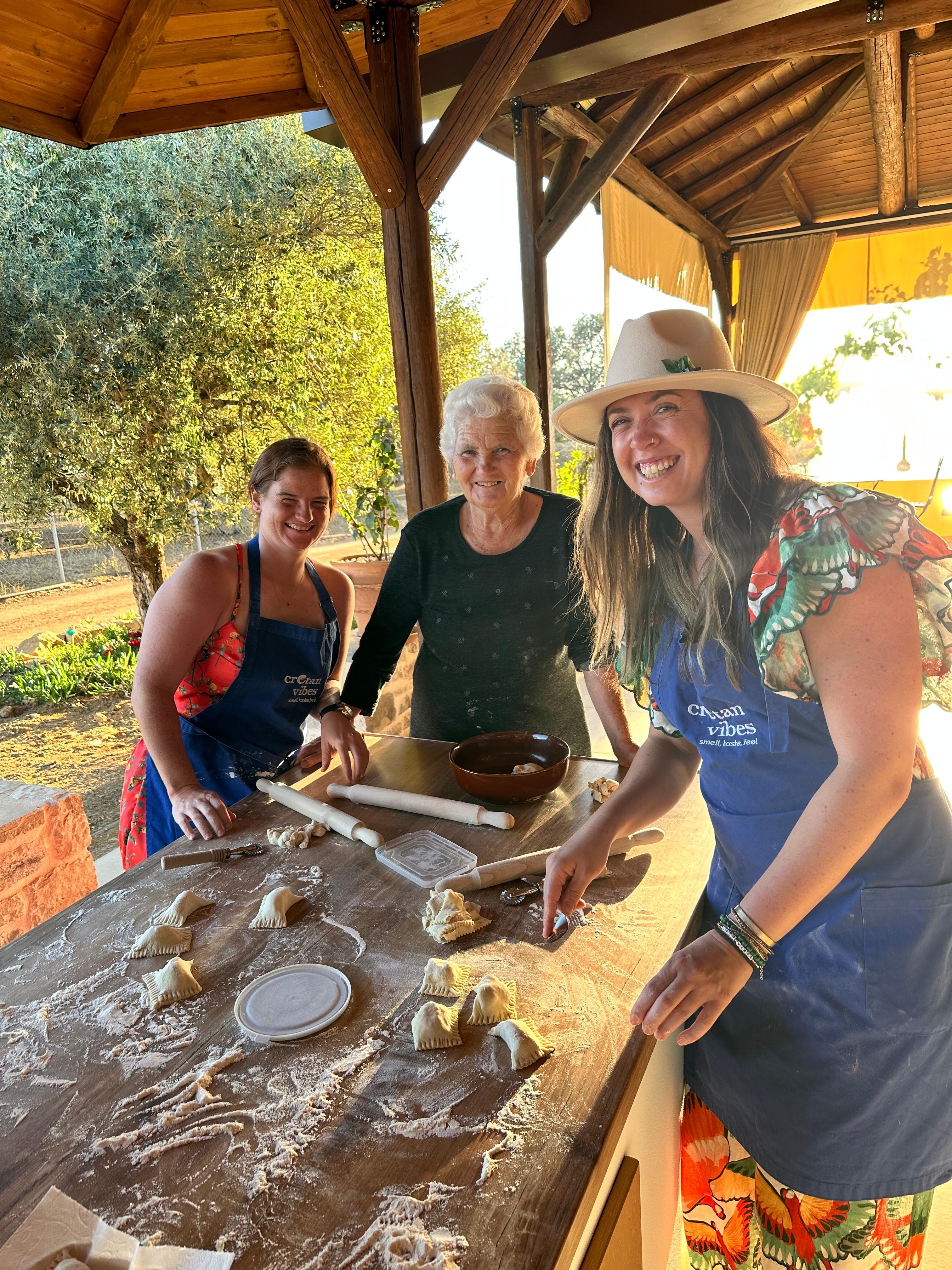
Hands-On Cretan Cooking & Olive Oil Experience at Family Farm
Learn traditional recipes with Mama Stella, taste estate olive oil, and feast on your three-course meal
Reserve
Hand-picked by our editors — only the best 5 tasting experiences from 18 reviewed.
Verified partners for every tour, free cancellation where available, and instant confirmation on every booking.
4 hr
Learn traditional recipes with Mama Stella, taste estate olive oil, and feast on your three-course meal
Reserve
7 hr
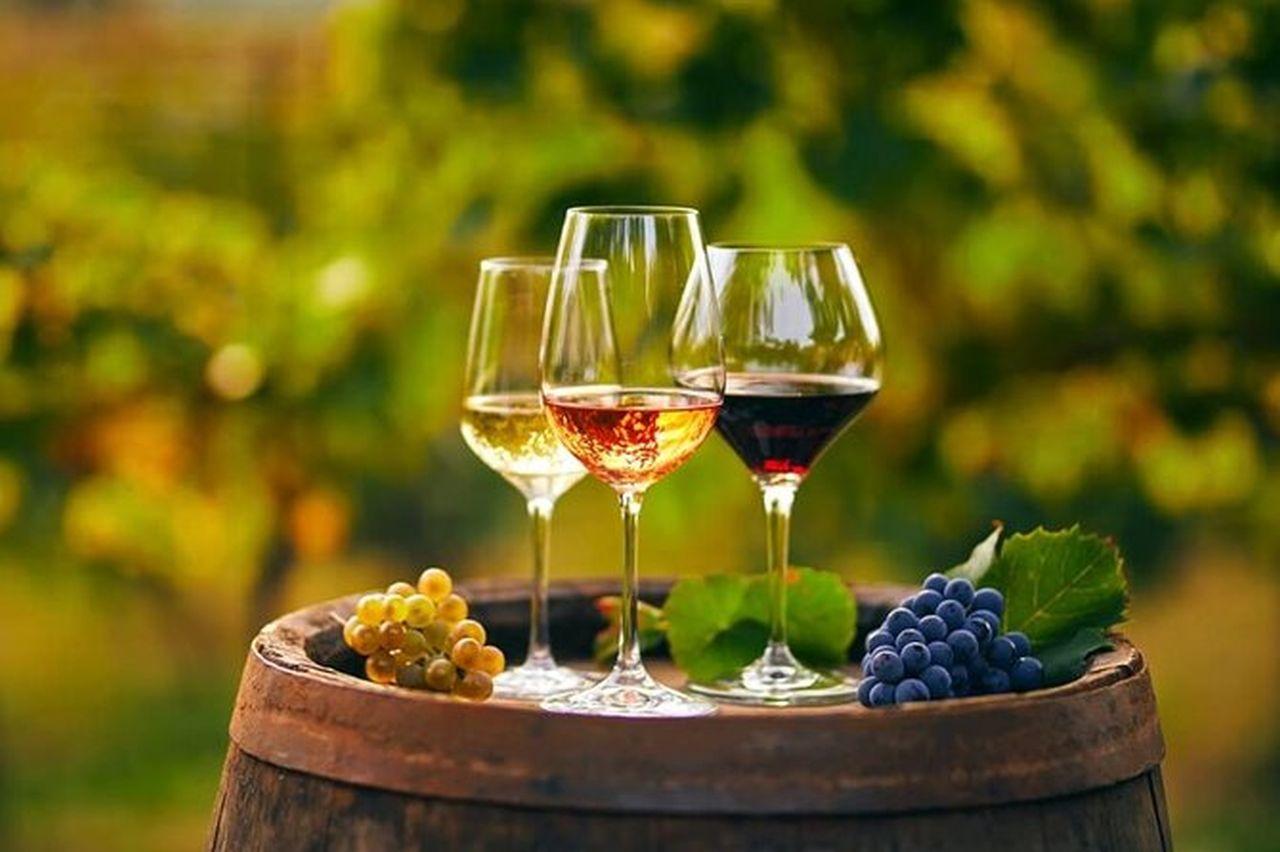
Discover Crete's authentic food culture through tastings at family-run producers and a visit to the world's oldest olive tree
Reserve
10 hr
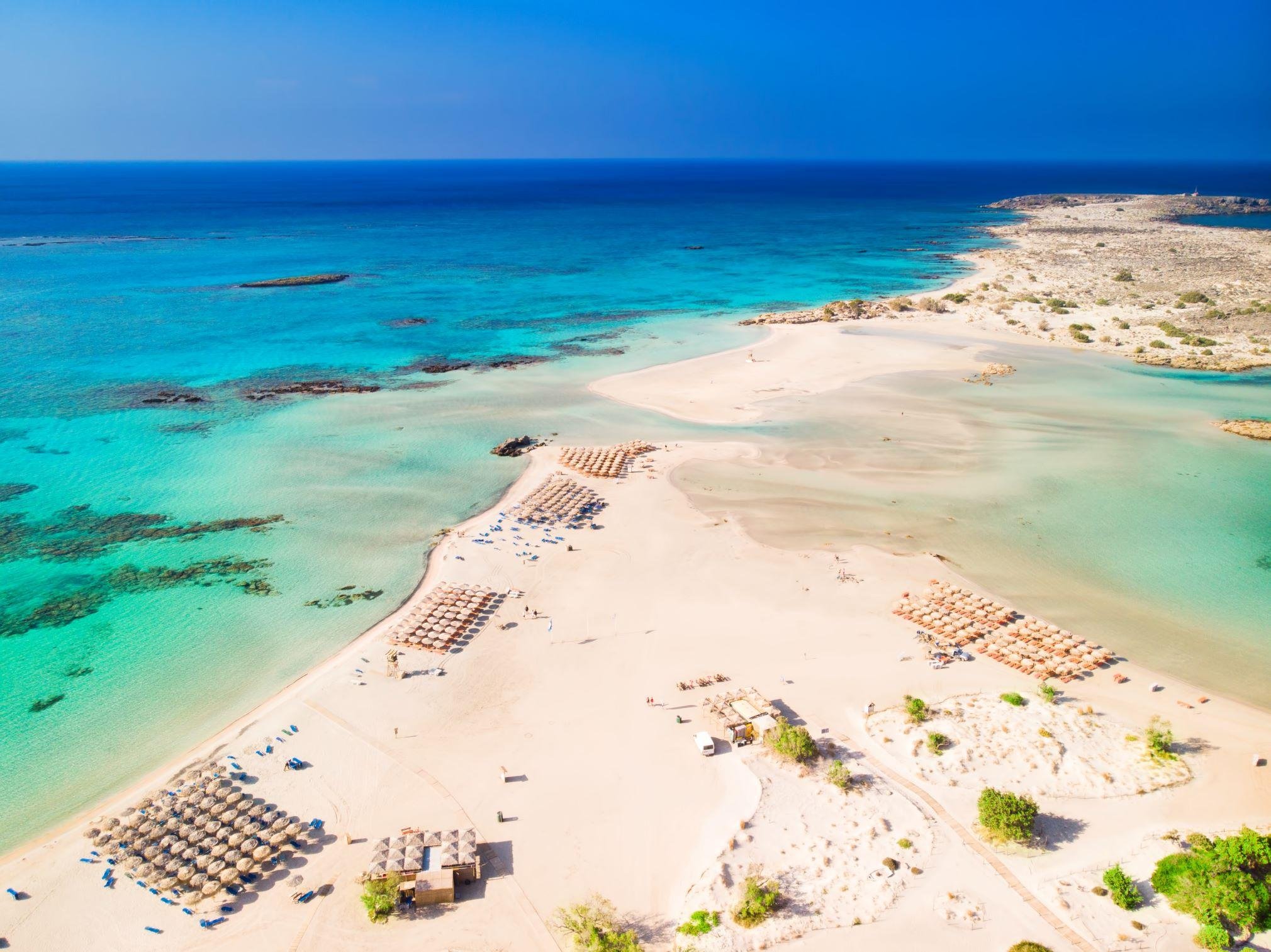
Escape to pink-sand shores and turquoise lagoons with local tastings and four hours of beach time
ReservePrices from verified partners. Availability updates in real time at checkout. Free cancellation policies apply where shown.
The landmarks, rooms, and views travelers on this tour remember — all visible on a single visit.
Explore trees that have stood for centuries in Moires.
See the historical methods used for oil production.
Sample high-quality local oils in a controlled setting.
Walk through local herb and flora gardens.
Learn the history of Cretan olive culture.
The rural environment in Moires offers a more authentic agricultural immersion, while urban workshops provide superior convenience for those staying in the city center. Many travelers find that choosing the right chania crete olive oil tasting depends on whether they prefer deep field exposure or quick access to local producers.
| Feature | Top pick Moires Farm Experience | Urban Chania Workshops |
|---|---|---|
Setting |
Rural olive grove | City center studio |
Depth of Education |
Comprehensive cultivation focus | Sensory profile focus |
Travel Time from Chania |
Approximately 2.5 hours | Zero travel time |
Connection to Nature |
Direct grove access | Limited to indoor displays |
Traditional Meal Integration |
Full farm-to-table lunch | Meze and sample platters |
Atmosphere |
Quiet rustic tranquility | Social and professional vibe |
| See tickets → |
Verdict: Select the Moires farm tour for an immersive look at olive harvesting, or opt for chania crete olive oil tasting tours when proximity and urban convenience are your primary requirements for booking chania crete olive oil tasting tickets.
Choose your ticket, select your date, and reserve in under two minutes. Secure checkout handled by our verified partner.
Instant confirmation by email, with a mobile voucher you can save offline. No printing, no queuing at a collection desk.
Arrive at the entrance, show your voucher on your phone, and walk in. Most tickets include priority or skip-the-line access.
Practical details for your visit straight from our verified partners — hours, access, rules, and how to get there.
Moires, Heraklion, Crete, Greece
Look for the main wooden gate
Follow the EO97 road toward Moires, parking is available on-site.
Take the KTEL bus to Moires station, then a short taxi.
Casual attire is recommended for this chania crete olive oil tasting experience. Sturdy footwear is suggested for walking through uneven olive grove terrain.
Small personal bags are permitted during your chania crete olive oil tasting tour. Security check is limited to standard site safety protocols.
Photography is permitted throughout the farm and during your chania crete olive oil tasting. Drone use requires prior written consent from the farm management.
The farm grounds are accessible for most visitors. Please notify staff in advance if you require assistance during your chania crete olive oil tasting.
Mobile phones are permitted for photos. Please set devices to silent during guided portions of the chania crete olive oil tasting.
Families are welcome at the farm. Children must be supervised during the chania crete olive oil tasting tours to ensure safety near machinery.
Water is provided during tastings. Additional food is only permitted if included in your booked chania crete olive oil tasting tickets.
Pets are not allowed on the farm grounds. Service animals are permitted with documentation provided prior to arrival.
Smoking is prohibited across all farm areas. Visitors should arrive by 09:00–11:00 to enjoy the cooler climate before mid-day heat.
Best time to go, insider tips, nearby landmarks, and the cancellation fine print — flip through to skim what matters to you.
How crowds, weather, and events shift across the year.
Mild temperatures ideal for grove walks and chania crete olive oil tasting.
Warm weather, early arrival between 09:00–11:00 is essential.
Harvest season highlights the local agricultural calendar.
Cool, quiet period suitable for intimate chania crete olive oil tasting.
Small details that turn a good visit into a great one.
Visit between 09:00–11:00 to avoid peak heat.
Ask about seasonal varieties during your chania crete olive oil tasting.
Wear closed-toe shoes to navigate the farm comfortably.
Purchase olive products directly on-site to support the farm.
Verify your chania crete olive oil tasting tickets in advance.
Non-bookable sights within a short walk — free to visit, easy to pair.
Minoan archaeological site with significant history.
Small chapel and historical villa nearby.
Famous cliffs known for prehistoric caves.
Flexible, no hidden fees.
Cancellations made 24 hours in advance receive a full refund. The entrance fee of 0 EUR applies to farm grounds, while tour packages follow specific booking terms.
Hand-picked options within walking distance — pick a district for vibe, or a specific hotel for convenience.
Local family-run stays in the town center.
Coastal resorts offering seaside comfort.
Wide selection of urban accommodations.
Crete produces more olive oil per capita than any region on Earth, and the terroir around Heraklion yields fruit so dense with polyphenols that a single spoonful leaves a peppery burn at the back of the throat. The limestone hills surrounding Moires have been under cultivation for three millennia, with some trees reaching twenty metres in circumference and still bearing fruit each October. These are not museum relics. The same families that pressed oil for Venetian merchants in the 1500s still operate stone mills today, many of them converted to modern centrifuge systems that extract cold-pressed oil within four hours of harvest. The chania crete olive oil tasting tradition is rooted in distinction rather than volume. Cretan producers classify oils by harvest date, altitude, and cultivar — Koroneiki for high-yield early pressings, Tsounati for late-season complexity — and the resulting profiles range from grassy and almond-sweet to aggressively bitter, each one paired with specific foods during a formal tasting. The island holds Protected Designation of Origin status for several zones, and agronomists from the Mediterranean Agronomic Institute monitor acidity levels and oxidative stability in real time. What visitors encounter is not folklore but a working agricultural science, one that connects Bronze Age cultivation methods with contemporary biochemistry. Many estates welcome visitors into working mills during harvest season, when the air is thick with olive paste and the sound of hydraulic presses fills stone-walled rooms. Outside harvest, the focus shifts to grove walks and varietal comparisons, often paired with local wine, honey, or cheese produced on the same land. The landscape itself tells the story: dry-stone terraces carved into slopes, irrigation channels fed by mountain springs, nets spread under branches in preparation for the autumn shake. Guides explain pruning cycles, pest management, and the economics of organic certification, offering context that transforms a simple tasting into an immersion in rural Cretan life. Free entry to farm grounds makes these experiences accessible, though guided tours and structured tastings operate on a package basis, typically running three to four hours and including multiple oil samples, bread, and a farm meal. For those pursuing chania crete olive oil tasting tours beyond the commercial circuits, smaller family operations in the Heraklion hinterland offer the most direct encounter with production. These are not polished tasting rooms but functional estates where the harvest dictates the calendar and the oil still rests in stainless steel drums waiting for bottling. The sensory education is rigorous: visitors learn to identify defects — rancidity, mustiness, fermentation — and to distinguish terroir markers that professionals use to authenticate origin. The result is a recalibration of what olive oil can be when it is pressed, stored, and consumed with the same attention given to wine.
"The limestone hills surrounding Moires have been under cultivation for three millennia, with some trees reaching twenty metres in circumference and still bearing fruit each October."
A step-by-step walkthrough of the visit — what you'll see, how long each stage takes, and the details that matter.
You arrive at the estate mid-morning, when the heat is still manageable and the groves are backlit by angled sun. The guide leads you past rows of gnarled trunks, their branches trained low to the ground, and explains the harvest calendar: October for early Koroneiki, November for late Tsounati, each variety pressed separately to preserve varietal character. You pause at a stone mill, its circular basin worn smooth by centuries of pressure, then move inside to the modern extraction room where centrifuges hum and oil flows into steel tanks. The tasting begins with three oils arranged in small glasses, each one warmed in your palm before you inhale. The first is grassy and mild, the second carries notes of green tomato and almond, the third burns with a peppery finish that lingers for minutes. The guide pairs each oil with bread, then with local cheese and honey, demonstrating how bitterness balances sweetness and how acidity cuts through fat. You taste six oils in total, learning to identify oxidation and to recognize the floral markers of high-altitude fruit. The experience closes with a walk through the orchards, where you see the nets already spread for autumn, and a farm lunch served under a pergola: tomato salad dressed with the estate's own oil, fresh bread, and a glass of wine from the adjacent vineyard. You leave with two bottles and a recalibrated understanding of what cold-pressed means when the fruit is picked at dawn and pressed by noon.
The farm is open daily from 09:00–17:00.
There is 0 EUR entrance fee for the farm grounds.
We recommend the 09:00–11:00 arrival window to enjoy the chania crete olive oil tasting in cooler weather.
Yes, children are welcome on the chania crete olive oil tasting tours provided they are supervised.
Outside food is generally not permitted during the chania crete olive oil tasting.
The grounds are mostly flat and accessible for most visitors.
You can secure your chania crete olive oil tasting tickets through our online booking grid.
Cancellations made 24 hours in advance receive a full refund.
Yes, you can visit Phaistos Palace or the Matala caves after your chania crete olive oil tasting.
Photography is encouraged during your chania crete olive oil tasting experience.